Онлайн трансляция | 12 сентября
Название трансляции
- 12 сентября 2015 Название трансляции
- 12 сентября 2015 Название трансляции
- 12 сентября 2015 Название трансляции
- 12 сентября 2015 Название трансляции
- 12 сентября 2015 Название трансляции
- 12 сентября 2015 Название трансляции
- 12 сентября 2015 Название трансляции
- 12 сентября 2015 Название трансляции
articles

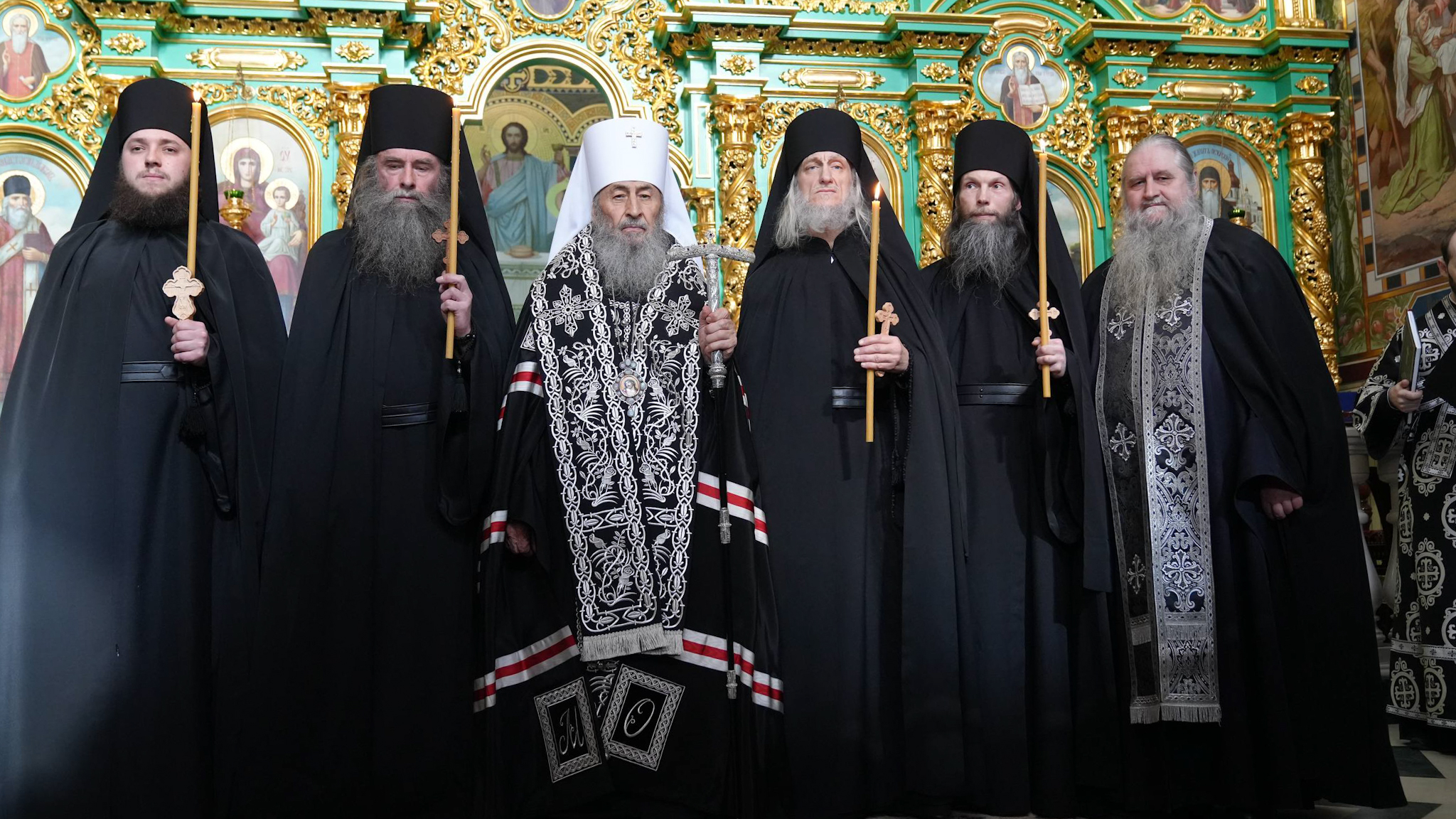
The Synaxis of All the Venerable Fathers of the Kyiv Caves — the Spiritual Heritage of the Pechersk Monastery
The Synaxis of All the Venerable Fathers of the Kyiv Caves is celebrated on the Second Sunday of Great Lent. The ascetics of the Kyiv Caves inspired their followers to spiritual labours, demonstrating that the path to God is attained through repentance, prayer, and humility. The life of the monastery was built upon strict discipline, goodwill, and mercy: the monks assisted those in need, supported one another, and observed the monastic rule with deep devotion. Their holiness and love became a spiritual inheritance for the entire people.
On the Second Sunday of Great Lent, the Orthodox Church commemorates the Synaxis of All the Venerable Fathers of the Kyiv Caves. This feast, falling on the second Sunday of the Fast, holds a special place in the Church calendar. Great Lent is a time of spiritual purification, prayer, and struggle against the passions. These very virtues were fully manifested in the lives of the ascetics of the Kyiv Caves. Therefore the Church calls the faithful during these days to turn to the example of the venerable fathers. Their lives reveal that the path to God is possible through repentance, humility, and unceasing prayer.
The brethren of the Kyiv Caves Monastery became the first labourers of monastic asceticism in Rus’. Their prayerful feats inspired subsequent generations to great spiritual labours.
According to the Kyiv Caves Paterikon, this monastery was established by “tears, fasting, prayer, and vigil.” Of the Venerable Anthony it is said in one account of the Paterikon that he “possessed neither gold nor silver, but acquired everything through tears and fasting.” During the abbacy of the Venerable Theodosius, the monastery lived by alms received both from princes and from laypeople, who were drawn by the piety and holiness of the monastic community.
Having assumed the spiritual leadership of the monastery with the blessing of the Venerable Anthony, the Venerable Theodosius strengthened within it the practice of abstinence, “great fasting and prayer with tears.” When the number of the brethren exceeded one hundred, he began to seek a suitable monastic rule to order the internal life of the community. The Venerable Theodosius adopted the Studite Rule, which was later received by other monasteries of Rus’.
Within the strict conditions of monastic life and daily ascetic struggles, the monks of the Kyiv Caves Monastery shone in Rus’ “as luminaries.”
“One were strong fasters, others laboured in vigil, some in prostrations; some fasted for one or two days at a time, others ate bread with water, and still others boiled or raw herbs,” testifies the Kyiv Caves Paterikon.
Great attention was given in the monastery to obedience: “the younger submitted to the elders and did not dare to speak before them; but all acted with humility and great obedience.”
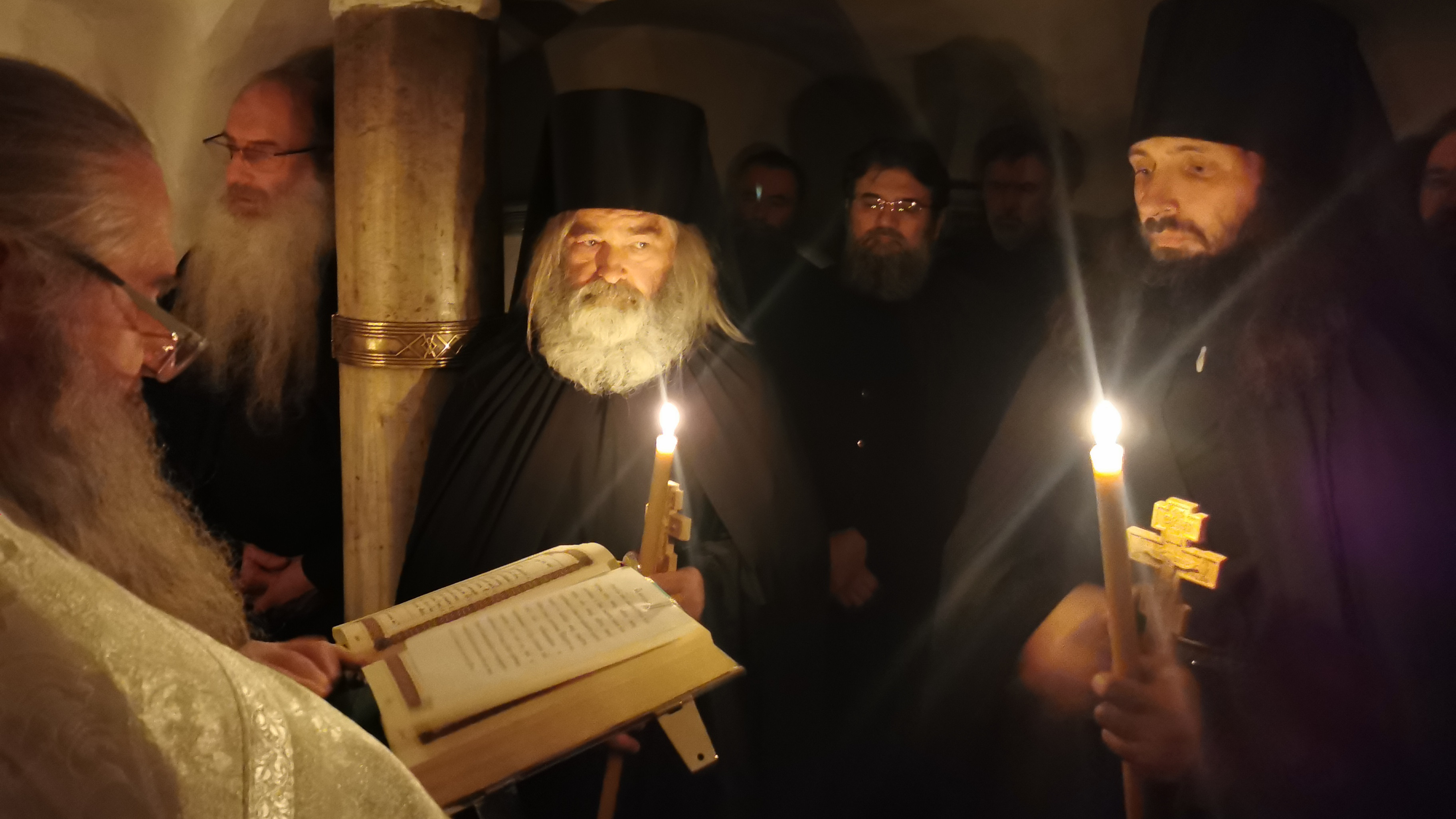
True Christian love prevailed in the brotherhood. The Paterikon particularly emphasizes the mutual care of the monks for one another and the concern of the elder brethren for the younger, whom they “instructed and comforted as beloved children.” If a brother fell into some transgression, the others comforted him and, out of great love, shared the penance among three or four of them. If anyone left the monastery, the whole brotherhood grieved greatly for him; they would send after the one who had departed and, bringing him back, would go with him to the abbot, bow down, intercede for him, and receive him again with joy.
“Such were those loving and temperate fasters!” exclaims the monk of the Pechersk Monastery, the Venerable Nestor the Chronicler.
Though the monastery lived by the alms of the world, it also sought to help orphans, the hungry, and the poor. Near the Kyiv Caves Monastery the Venerable Theodosius established a hospice for the poor and the sick, where comprehensive assistance was given. Every Saturday the monastery sent bread into the city for prisoners confined in the jails. There were even occasions when alms were given to robbers who had been caught attempting to plunder the monastery.
The lives of the venerable fathers of the Caves display a remarkable variety of ascetic labours. Some struggled in strict seclusion, spending years in unceasing prayer. Others served the brethren and pilgrims, assisting the sick and those in need.
Yet the chief thing in their lives was love for God and for their neighbour. This love made them spiritual guides for the entire people.
The saints of the Caves became an example of how a person can transform his life through repentance. Many of them came to the monastery from ordinary worldly life, yet through the labour of prayer they attained holiness. Their lives remind us that the path to God is open to every person: through attentive care for one’s soul, through struggle against the passions, and through a constant striving to purify the heart. In such repentance and humble obedience to the commandments of the Gospel, the inner life of a person is gradually transfigured, and he slowly ascends the path of spiritual perfection to which every Christian is called.
Редакция сайта www.lavra.ua


To signed up and receive Lavra’s emails and important news once a week.
You will be able to unsubscribe from emails at any time.
Spelling error report
The following text will be sent to our editors: