Онлайн трансляция | 12 сентября
Название трансляции
- 12 сентября 2015 Название трансляции
- 12 сентября 2015 Название трансляции
- 12 сентября 2015 Название трансляции
- 12 сентября 2015 Название трансляции
- 12 сентября 2015 Название трансляции
- 12 сентября 2015 Название трансляции
- 12 сентября 2015 Название трансляции
- 12 сентября 2015 Название трансляции
articles
It Is Not the Walls That Make a Monastery
On 23 July, our Church commemorates St Anthony of the Caves, the founder of Rus’ monasticism, the founder of the Kyiv-Pechersk Monastery, and the man who first revealed the true image of monastic life in Kyivan Rus’.
As a young man from Liubech, Anthony found no peace amid the distractions of worldly life. He therefore set out for the Holy Mountain of Athos, where he received the monastic tonsure and was given the name Anthony. This name was not chosen by chance. In receiving the monastic habit, he entered into the spiritual inheritance of St Anthony the Great, the Egyptian desert father of whom an ancient biographer wrote that, through his labours, “the desert became a city.”
Many years later, the elder who had tonsured him blessed him to return to his homeland, foretelling—as the Paterikon relates—that through him the Lord would raise up a great multitude of monks.
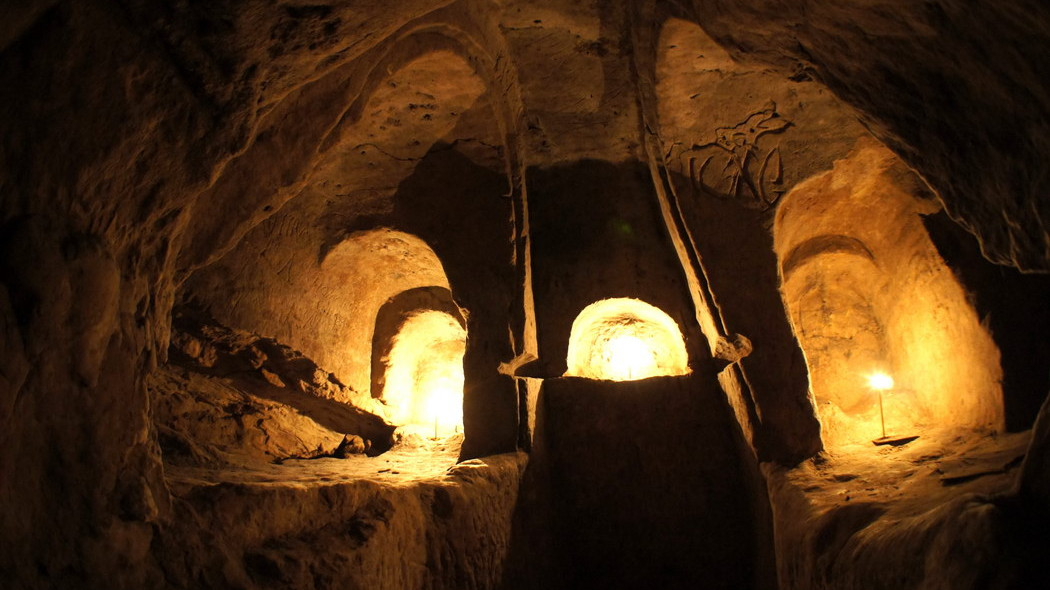
Near Kyiv, Anthony found a small cave that had earlier been dug by the priest Hilarion, who would later become St Hilarion, Metropolitan of Kyiv, and there he made his dwelling. It was here that many long years of his life passed, almost unnoticed by the world. He fasted, prayed day and night, and spoke to hardly anyone except those few who came seeking his blessing. His entire life was directed toward one single purpose: that his heart might never be distracted from the Name of our Lord Jesus Christ.
As news of him spread and people began to come to the cave—some seeking the monastic life, others spiritual counsel—St Anthony did not place himself at the head of the growing brotherhood, nor did he assume responsibility for governing it. On the contrary, whenever the place became crowded, he withdrew even farther into solitude and dug another cave. He was not fleeing from people themselves, but from the worldly noise they inevitably brought with them.
He entrusted the care of the brethren to others. For himself, he desired only one thing: to stand before God in prayer every day of his life. Even the place of his burial has remained unknown. The holy relics of the saint remain hidden within the caves to this day. Having shunned human glory throughout his earthly life, he seems to have concealed himself from human eyes even after death. He left behind only his name and the caves that became the cradle of monasticism in our land, from which countless disciples and followers would go forth.
That is precisely why the example of St Anthony is especially relevant today.
In our own time, monasteries are increasingly not destroyed but appropriated. Their walls remain standing, their names are left unchanged, and even much of their familiar outward life is preserved. Yet those who once entered them for the sake of Christ are gradually driven out of their own monastery. The word monastery may continue to exist for many years after the one thing for which St Anthony withdrew into his cave has disappeared.
St Isaac the Syrian teaches that if a monk remains faithful to his spiritual labour and abides in silence, God Himself will take care of him.
Yet there is another danger.
A monk who is not persecuted by anyone may gradually abandon the inner work of the soul in favour of outward labours—good and necessary in themselves: building, preaching, teaching, caring for the sick and the poor. When these outward works no longer spring from prayer but quietly begin to replace it, the world once again enters the heart, disguised as something pious.
Outwardly, everything appears unchanged: the same habit, the same rule of prayer, the same monastic typikon. Yet within, there takes root that very anxious care and worldly distraction from which the monk once fled when he left the world behind.
People often say that these are different times.
But the world has never understood monasticism.
Nor has monasticism ever sought the world’s understanding or approval. It has separated itself from the world not primarily by monastery walls or the sands of the desert, but by something far greater: the whole soul’s striving towards God, self-denial, and the unceasing remembrance of Christ.
“The world has been crucified unto me, and I unto the world” (Galatians 6:14).
Thus spoke the Apostle Paul of this self-denial.
Monasticism is the lifelong struggle to keep both mind and heart continually turned towards God and to cleanse the soul of worldly images and thoughts beneath which the passions conceal themselves.
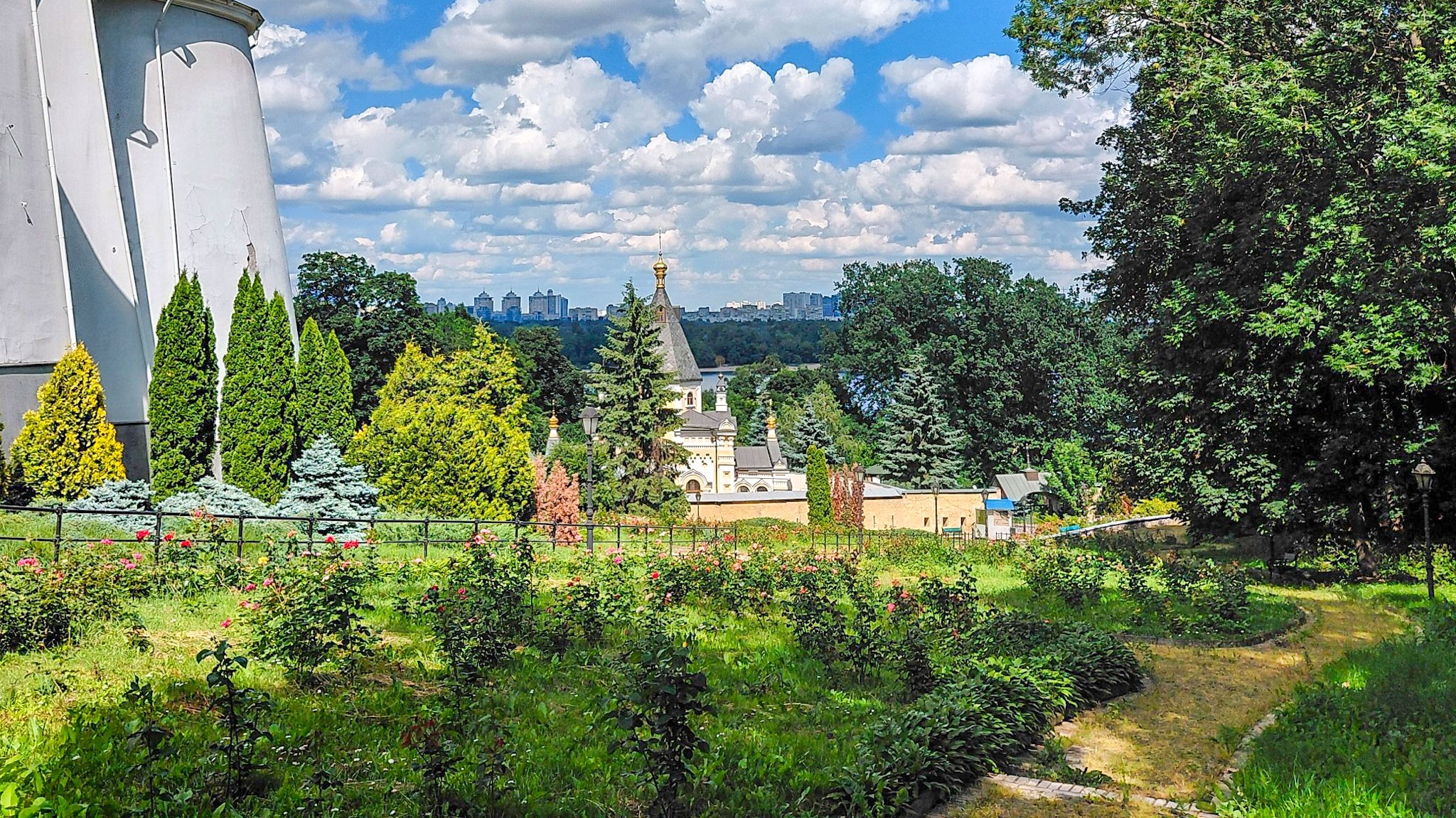
The walls of the Kyiv-Pechersk Lavra still stand today, and its name is known throughout the Orthodox world. But neither then nor now has the true meaning of the Lavra ever lain in its walls or even in its name.
By his entire life, St Anthony showed that monasticism can neither be abolished by decree nor replaced by a different sign above the gate. Its true life does not exist on the surface but in the heart that remains, day after day, alone with the Name of our Lord Jesus Christ.
And it is precisely this that others seek to take away whenever they attempt to destroy a monastery—whether by force or by substitution.
If, for the sake of preserving his vows and remaining faithful to Christ, a monk endures trials, homelessness, slander, exile, abandonment by all, and remains steadfast in his calling to the very end, then the Lord grants him a twofold reward: in this life, amid sorrows and suffering, a special spiritual consolation; and in eternity, the crown of a confessor—or, for those whom God deems worthy, even the crown of martyrdom for Christ.
Through the prayers of our Venerable Father Anthony of the Caves, O Lord Jesus Christ our God, have mercy on us. Amen.
Редакция сайта www.lavra.ua
Featured
Другие публикации

To signed up and receive Lavra’s emails and important news once a week.
You will be able to unsubscribe from emails at any time.
Spelling error report
The following text will be sent to our editors: